There is no suchthing as cannabis,in the singular.
One species, hundreds of compounds, and effects that swing wildly with dose and route. Almost every argument about cannabis, medical, legal, moral, is really an argument about which of these things you mean.
THC, the part that gets you high
Well characterised. Both the effects people want and the ones they don't come from the same receptor.
Tetrahydrocannabinol binds CB1 receptors concentrated in the brain. Euphoria, altered time sense, appetite, anxiety and impairment all come from that one interaction, there is no separating the pleasant effects from the ones that make driving dangerous.
Potency in illicit markets has risen substantially over four decades, from single-digit THC percentages in traditional preparations to concentrates in the sixties and beyond. A 1980s dose and a 2020s dose share a name and little else.
Tolerance builds quickly and unevenly: a regular user's ordinary evening is a first-timer's emergency. Most cannabis-related hospital presentations involve someone using a stranger's normal amount.
The India-specific part
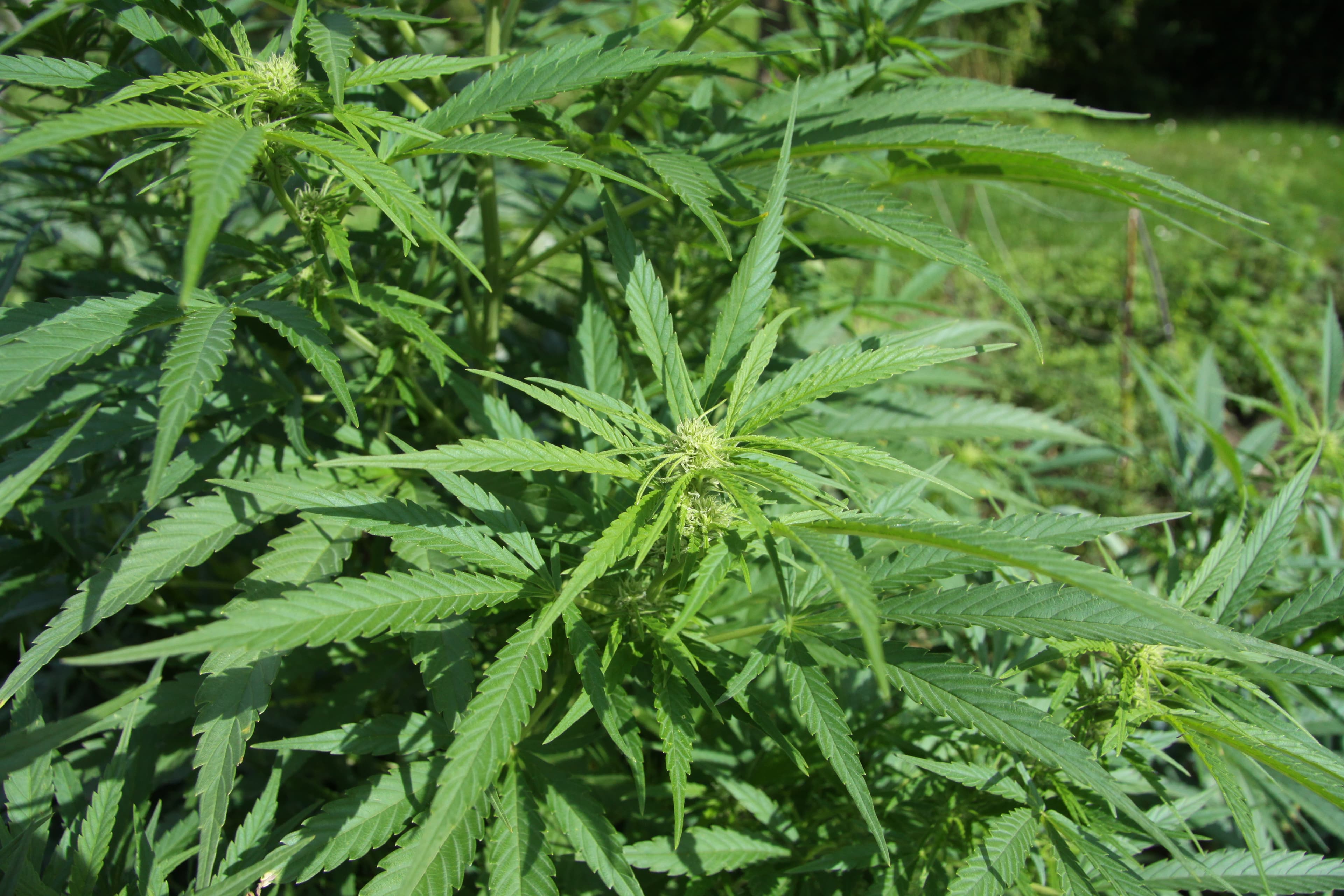
Charas and hash oil concentrate the resin, so they carry far more THC per gram than the flowering tops, which is exactly why the NDPS Act sets their quantity thresholds ten times lower.
How it enters decides how it behaves
The same amount of THC is a different experience depending on the route. This is the single most useful thing on this page: nearly every avoidable bad reaction is a route-and-timing mistake, not a strength mistake.
| Route | Onset | Peak | Duration | Where it goes wrong |
|---|---|---|---|---|
| Smoked / vaporised | Seconds to 2 min | 10 to 30 min | 2 to 4 hours | Fast feedback, so overshoot is rarer, but combustion carries the respiratory harm |
| Eaten or drunk | 30 to 120 min | 2 to 4 hours | 6 to 12 hours | The delay invites a second dose. This is the classic bhang-lassi error |
| Sublingual (oil, tincture) | 15 to 45 min | 1 to 3 hours | 4 to 8 hours | Mixed absorption, part sublingual, part swallowed, so timing is unpredictable |
| Topical (non-cannabinoid claims aside) | Local only | Does not reach the bloodstream meaningfully; most marketed benefits are unevidenced |
Potency and dose, in numbers instead of vibes
Published clinical and public-health literature describes THC dose in milligrams. Street descriptions don’t, which is how “just a little” becomes forty times a research dose. Move the sliders to see what a quantity translates to.
Estimates only, for understanding the literature and for clinicians reading a patient history. Illicit-market potency is unlabelled and highly variable, so real figures may differ several-fold. Nothing here is advice to use anything.
Illicit-market potency is unlabelled. This slider spans the range typically reported for ganja (flowering tops).
Estimated THC delivered
18 mg
Assumes roughly 30% of the THC in the material reaches the bloodstream when smoked. Inhalation is efficient but wasteful.
Above the studied range
Beyond what trials establish anything about. Impairment is substantial; for someone without tolerance this is where anxiety, racing heart and disorientation become common.
For scale: controlled trials of medical cannabinoids typically work between 2.5 mg and 10 mg of THC per dose, and Canada’s public health guidance treats 10 mg as a whole-package limit for an edible product. Many street edibles exceed that in a single bite.
What the evidence actually establishes
Well established
Acute impairment of attention, reaction time and driving. Dependence in a meaningful minority of regular users, with a withdrawal syndrome. Respiratory irritation and chronic bronchitis from smoking.
Strong association, causation debated
Psychosis and schizophrenia, particularly with high-potency products, daily use, and use beginning in adolescence. Poorer educational outcomes in heavy adolescent users.
Real but uncommon
Cannabinoid hyperemesis syndrome, cyclical, severe vomiting in long-term heavy users, often missed for years. Acute panic and transient psychotic episodes, mostly dose-driven.
Not established
A fatal overdose from cannabis alone. A lung-cancer link at the strength tobacco's has. Permanent cognitive damage in adults who stop. Absence of evidence, we note, is not proof of safety.